
By Damaris Wren Ashfield · Publisher: ZeroDepositSlots Feature Reading Journal
A name such as Hold and Win gives a game a memorable hook. It leaves smaller questions open: what stays on screen, what starts a feature, and when does the round finish? Reading social casino rules begins with those questions, before the animation supplies its own tempting explanation.
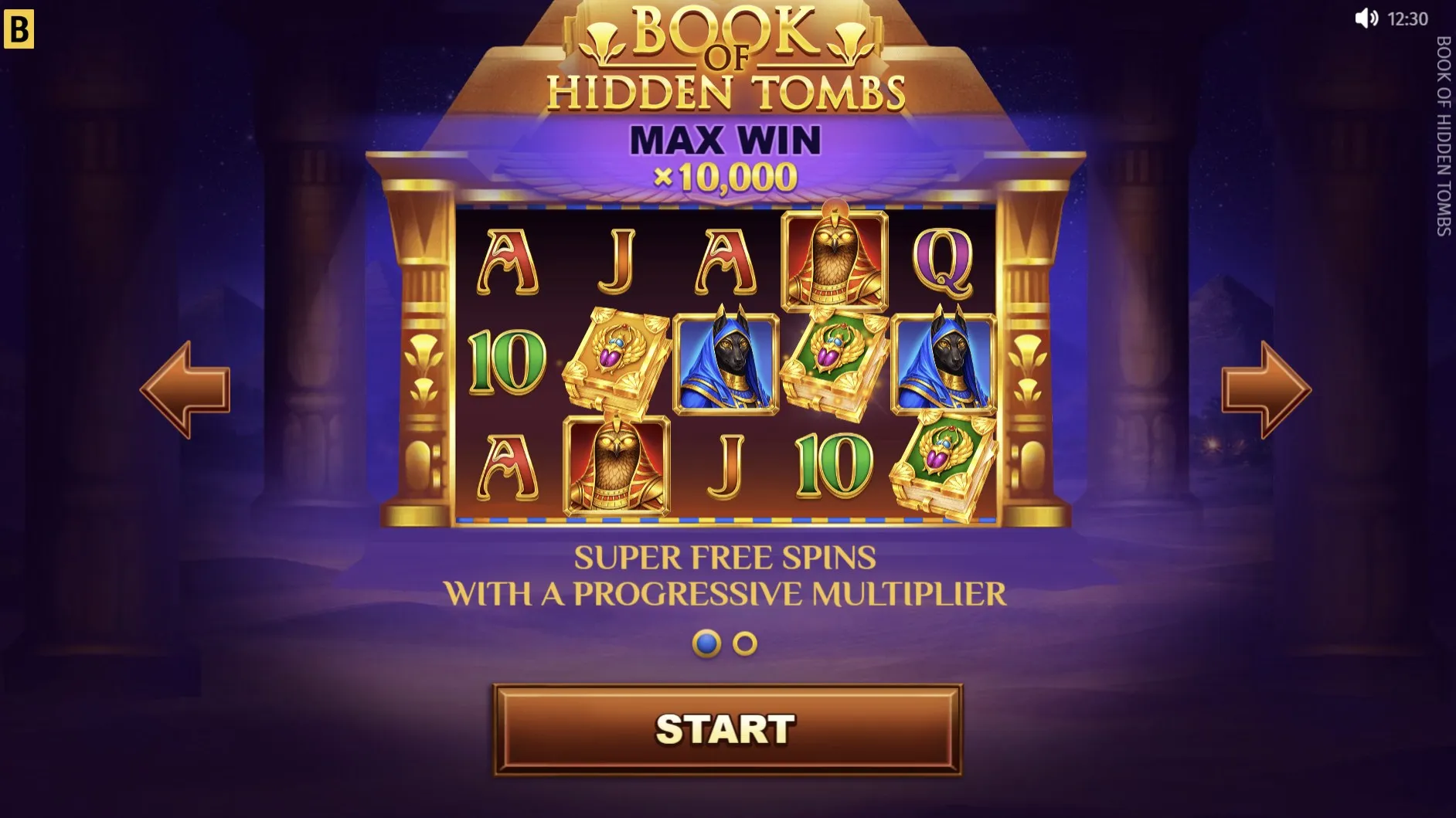
Look beyond the feature name
The homepage introduces Hold and Win, Scatter Pays and Multiplier themes. Treat those words as pointers to the relevant help text. They do not establish a trigger count, a symbol value or a feature duration. The information inside the game you actually open is the place to check those details.
There is another reason to pause here: a homepage card and the page it opens can use different names. Match the loaded title with its own information panel. A familiar pirate scene does not make two versions identical. Keep the URL with any notes so you can return to the same place later.
Virtual units need the same care. This site’s homepage describes Fun Units with no real-world value, while its terms use Enjoyment Points. A different label does not provide a conversion rate. Read the unit beside the active counter, and avoid treating a changing number as money or a promised prize.
Check the rule panel
Useful social casino rules connect a condition with an outcome. Find the condition first, then the action it causes. A symbol may have one role in ordinary play and another during a feature. Reading both passages helps prevent a bright effect from becoming an assumption about every future round.
Pay attention to small connecting words such as only, until and during. They can limit an effect to one stage of play. If a panel describes a multiplier during a feature, that sentence alone does not explain its role outside the feature. Keep the condition attached when you summarise it.
Try putting the explanation into a short sentence of your own, then compare it with the panel. If your version leaves out when the effect ends, add that detail. This gives you a useful question to revisit without needing to test a guess through more play.
- Open the information panel before starting a new round.
- Find the feature trigger and any conditions attached to it.
- Check which displayed setting the symbol values refer to.
- Locate the ending condition and return to the main screen.
Compare the questions, not the excitement
| Label | Question to check | Detail to record |
|---|---|---|
| Hold and Win | What remains held? | Trigger and ending condition |
| Scatter Pays | Which positions count? | Symbol and matching rule |
| Multiplier | What value is multiplied? | Scope and timing of the effect |
This comparison is a reading aid, not a description of every game using those labels. If the help panel leaves a detail unclear, write down the gap. Starting extra rounds is not a reliable way to fill it: a few visible outcomes cannot establish every condition that the rules may contain.
Read a completed result
Wait for the display to settle before interpreting a result. Note whether the number describes one part of a feature, the whole round or the remaining balance. Social casino rules can define these displays differently. A large number beside an animation may answer a narrower question than you expect.
- Keep the opening setting beside any result note.
- Separate a feature subtotal from a final balance.
- Leave unknown details marked as questions.
- Compare only displays whose units and scope you understand.
For a September 2026 reading habit, a short note is enough: game title, displayed unit and one unanswered question. You do not need a catalogue of outcomes. If a friend is interested, use a descriptive invitation; after a phone interruption, follow the returning-screen checks.
Author’s opinion
I find social casino rules most useful when they help me describe what I am seeing in ordinary words. I would rather understand one feature condition than memorise several dramatic names. For me, a good explanation makes it comfortable to pause, ask a question and leave a round unplayed.